Choosing between a metal building vs pole barn is one of the most common decisions property owners face. From the road, the two can look similar, since both often use metal siding and roofing. However, the structure underneath is very different, and that difference shows up over decades of New England weather.

Metal Building vs Pole Barn: Construction Basics
A pole barn, also called a post-frame building, uses wood posts set in the ground or on piers. Wood trusses span between the posts, and builders attach metal or wood siding to horizontal girts.
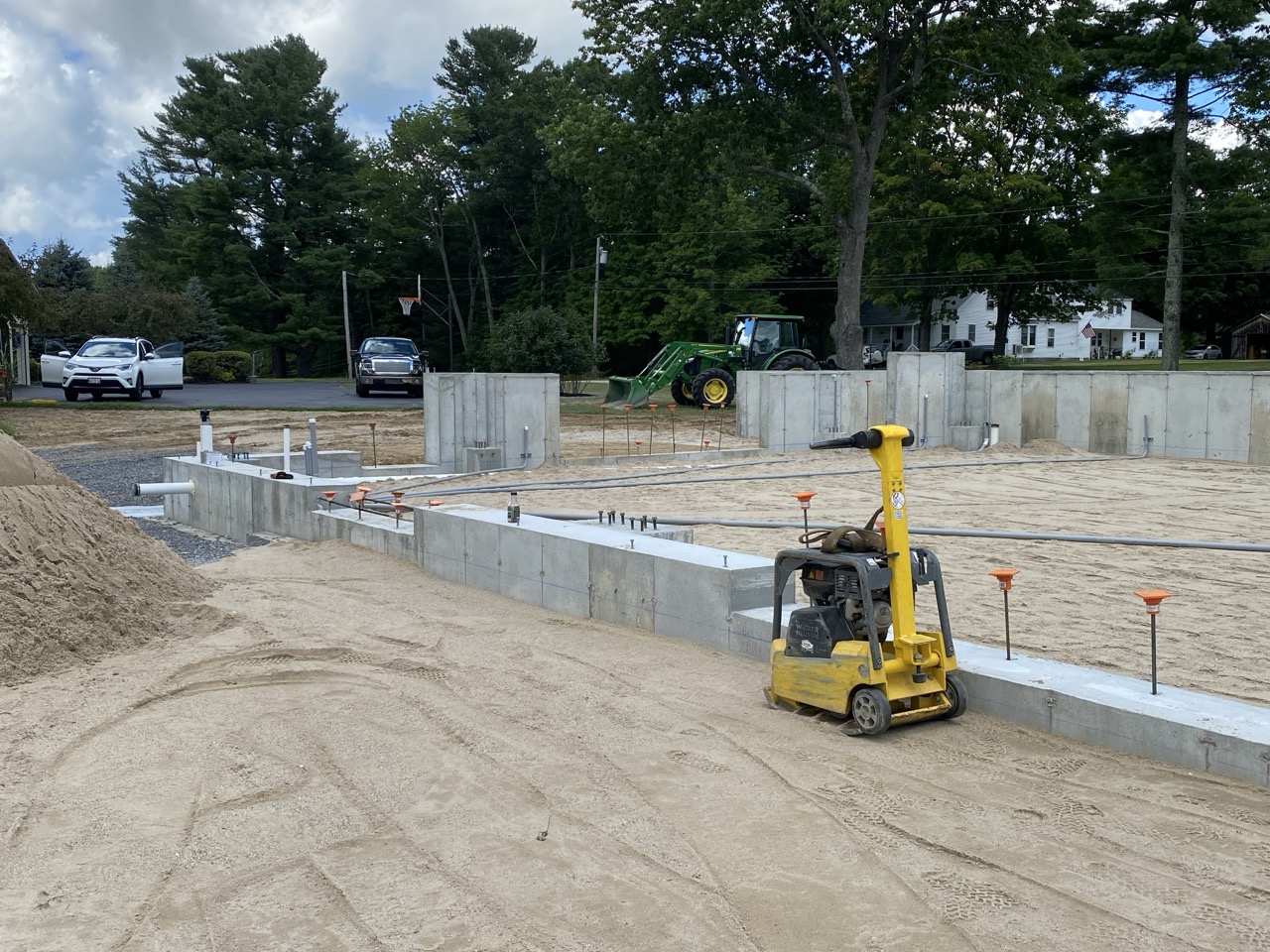
A pre-engineered metal building, by contrast, uses a steel frame bolted to a concrete foundation. The main frames carry the roof and wall loads, while steel purlins and girts support the panels. In addition, the manufacturer engineers each building for the loads at its specific site.
Durability and Weather
Wood posts in contact with the ground can rot over time, even when treated. Moisture, insects and freeze-thaw cycles all take a toll. Meanwhile, steel framing will not rot, warp or attract termites.
Snow is another key factor. Engineers can design both types for snow, but steel frames allow engineers to size every member precisely for the required load. As a result, steel is a strong choice for wide spans and heavy roofs. Our guide to snow loads for steel buildings explains how engineers set those loads.
Interior Space and Layout
Pole barns usually need posts at regular intervals along the walls, and wider buildings may need interior posts as well. Steel buildings, on the other hand, can span large areas without interior columns.
That open floor plan matters for equipment storage, riding arenas, workshops and commercial use. For example, you can move tractors, stack hay or lay out racking without working around posts. Read more about this in our article on clear-span and multi-span buildings.
Maintenance Over Time
Both building types need some care, but the type of care differs. With a pole barn, owners often deal with:
- Posts that loosen or decay at ground level
- Trusses that shift or need bracing over time
- Wood components that need sealing or replacement
With a steel building, routine maintenance focuses mainly on gutters, sealants, fasteners and doors. Therefore, long-term upkeep is usually simpler. Our metal building maintenance checklist covers what to inspect each season.
Metal Building vs Pole Barn: Cost and Value
A pole barn can cost less up front for small, simple buildings. However, the comparison changes as buildings get larger, taller or wider. Steel also tends to hold its value because the structure lasts longer and needs fewer repairs.
When you compare a metal building vs pole barn, look at total cost over the life of the building. That includes foundations, insulation, maintenance and how well the building fits future needs. For a full breakdown of what drives price, see what affects the cost of a metal building.
Metal Building vs Pole Barn: Which Is Right for You?
A pole barn may work for a small, lightly used shed on a tight budget. On the other hand, a steel building usually fits better when you need:
- Wide, open interior space
- A long service life with low maintenance
- Heavy snow or wind resistance
- Room to add bays or lean-tos later
- Commercial, agricultural or heated workshop use
To learn more about how engineers design steel building systems, visit the Metal Building Manufacturers Association.
Talk to Maine Metal Buildings
Still deciding? Tell us how you plan to use the building and we will walk you through the options, including our agricultural metal buildings for farms. Our team typically responds within 24 hours, and detailed quotes are usually ready within 7–10 business days. Contact us or call (207) 591-0196 to start your project.